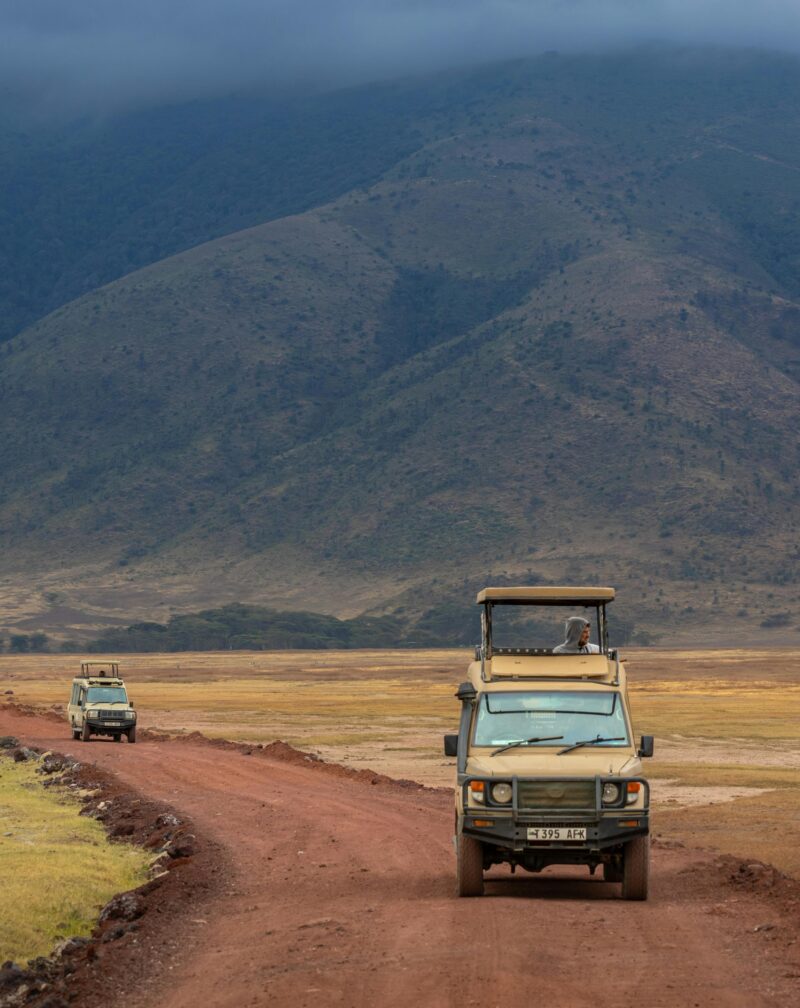

A safari picnic lunch is a small but memorable part of the day. After several hours of wildlife viewing, your driver-guide finds a designated picnic area inside the park, parks the vehicle and invites you to step out, stretch your legs and enjoy lunch surrounded by the landscapes you have spent the morning exploring.
It is not a restaurant meal in the bush, and that is exactly why it feels special.
Where do safari picnics take place?
Picnic lunches are served at approved sites within national parks and conservation areas. These are chosen for safety, scenery and convenience, often near a river, viewpoint or shaded grove of trees.
In Serengeti, you may eat beneath an acacia tree while watching the plains stretch towards the horizon. In Ngorongoro Crater, picnic areas near the hippo pool offer a chance to see hippos in the water while you enjoy lunch. In Tarangire or Lake Manyara, the setting may include baobab trees, woodland and the sound of birds nearby.
Your guide will always advise you where it is safe to walk and where you should remain close to the vehicle.
What is usually served?
Most safari lodges and camps prepare packed lunch boxes for guests leaving early on a full-day game drive. The exact contents vary by accommodation, but a typical picnic lunch may include sandwiches or wraps, chicken, fruit, juice or water, a snack and something sweet.
Vegetarian, vegan, gluten-free and other dietary requirements can usually be arranged when shared in advance. It is best to let your safari consultant know about any allergies or special requirements before your trip begins.
The meal is simple, practical and made for a day outdoors. After hours of watching wildlife, it is usually exactly what you need before continuing the afternoon game drive.
What wildlife might you see?
Wildlife does not stop because it is lunchtime. You may see zebras grazing in the distance, hear birds calling from nearby trees or watch a giraffe move slowly across the horizon.
At Ngorongoro’s hippo pool, you may see hippos resting in the water while birds gather nearby. In Serengeti, a picnic stop can come with wide views of the plains and the chance to spot animals moving far beyond the picnic site.
However, the most important rule is simple: enjoy the wildlife from a respectful distance. Never approach animals, feed them or leave food unattended.
The small rules that matter
Your driver-guide will explain the rules at each picnic site, but a few principles apply everywhere. Stay within the designated area, keep close to your guide or vehicle, and do not walk into the bush alone.
Keep food secure, avoid loud noises and never leave litter behind. National parks are protected spaces, and every visitor has a role in keeping them clean and safe for wildlife.
These are not restrictions that take away from the experience. They are part of what makes a safari feel real: you are a guest in the animals’ home.
A pause that becomes part of the memory
Safari days can be full—early starts, long game drives, changing light and constant surprises. A picnic lunch creates a quiet pause in the middle of it all.
It gives you time to talk about what you have seen, look through your photographs and simply take in where you are. The taste of a cold drink after a warm morning, the breeze across the grass and the distant sound of wildlife often stay in the memory as clearly as the sightings themselves.
With Key Safaris, every detail of your day is planned for comfort, safety and connection to Tanzania’s wild places. Sometimes, the most memorable part of a safari is simply stopping to enjoy lunch in the middle of them.